
Mayco Winter Wood is normally known for its soft matte finish and warm brown crystalline movement. In this firing, however, the glaze produced a very different result. Instead of developing its characteristic surface, it formed an extremely rough, cratered texture with extensive bubbling, creating an appearance similar to volcanic lava or pumice.
This example illustrates how strongly Mayco Winter Wood can respond to differences in clay body, glaze thickness, and firing conditions. While some potters may enjoy this dramatic texture, it differs significantly from the finish most ceramic artists expect from this glaze.
Why Did Mayco Winter Wood Look Like This?
Several factors may have contributed to this unusual surface:
- the chemistry of the clay body;
- glaze applied too heavily;
- slight variations in the Cone 6 firing schedule;
- interactions between the glaze and the clay during the final stages of the firing.
The result is a heavily cratered, highly textured surface where most of Winter Wood’s characteristic crystal development is no longer visible.
A Useful Test for Ceramic Artists
Although this is probably not the intended appearance of Mayco Winter Wood, it serves as a valuable reminder that reactive glazes can behave very differently depending on the firing conditions.
Documenting results like this helps potters better understand glaze performance and avoid unexpected surprises in future firings.
Clay & Firing
- Glaze: Mayco Winter Wood (SW-155), 3 coats
- Clay Body: KY Brown Bear
- Firing: Cone 6
- Artist: Wanessa Baker
Conclusion
This firing demonstrates that Mayco Winter Wood does not always produce its familiar crystalline matte surface. Changes in clay body or firing conditions can dramatically alter the final appearance, making test tiles and careful documentation an essential part of working with reactive glazes.
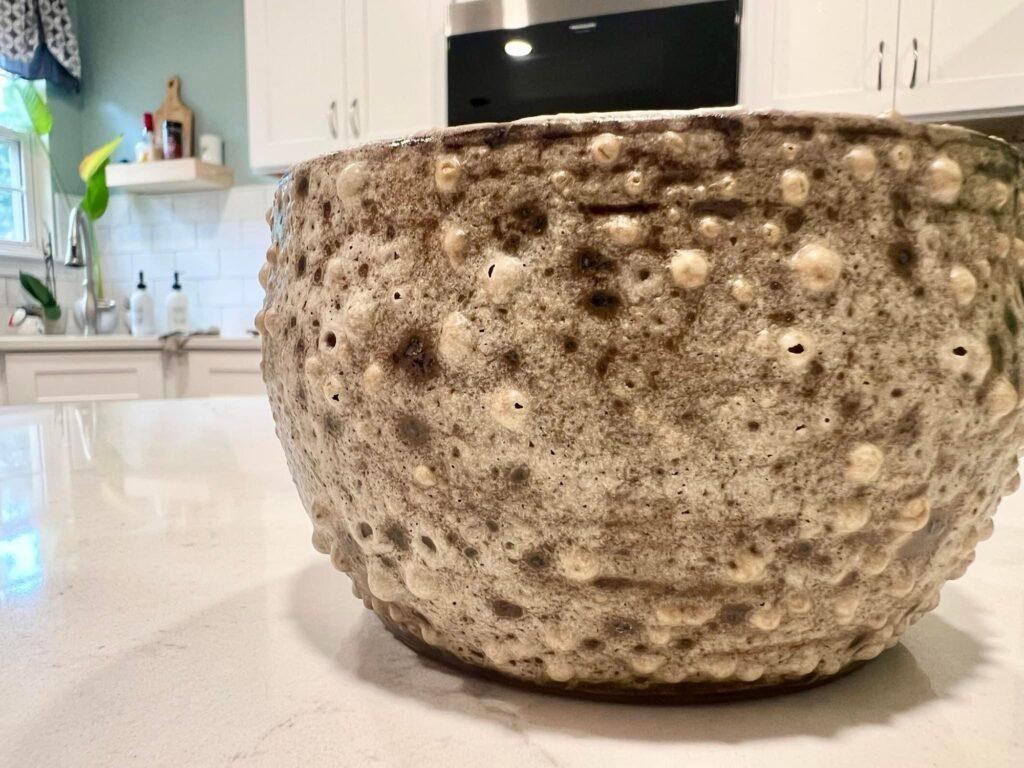
- Clay: KY Brown Bear
- Mayco Winter Wood x3
- Fired to Cone 6
Credit: Vanessa Baker